

The Cerdà Plan: How Ildefons Cerdà Shaped Modern Barcelona and Its Real Estate Market
October 5, 2026When you walk through Barcelona’s Eixample, you immediately notice the order of its streets. The long avenues, the perfect grid, and the angled corners give the city a sense of balance and beauty.
This is no coincidence — it’s the result of Cerdà Plan, a revolutionary urban project. It was designed by Ildefons Cerdà in the mid-19th century.
More than 160 years later, his vision continues to influence Barcelona’s architecture, lifestyle, and real estate market.
A Visionary Plan for a Modern City
In the 1850s, Barcelona was still enclosed by its medieval walls. The city was crowded, unhealthy, and growing fast due to industrialization. To solve this, engineer and urban planner Ildefons Cerdà imagined something entirely new. He created a design of an open, modern city that offered light, space, and equality for its residents.
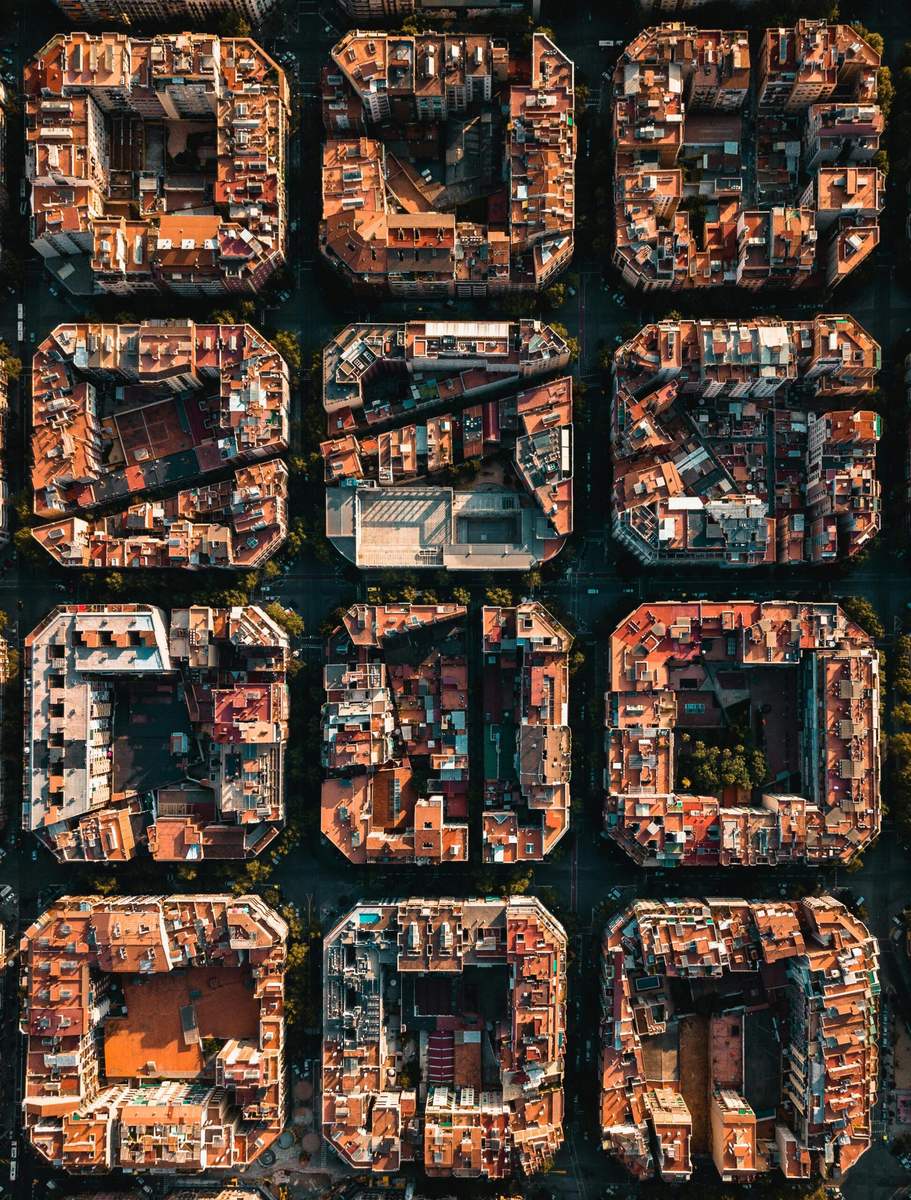
His proposal, known as the Eixample Plan (“expansion” in Catalan), laid out a strict grid of wide streets and square blocks with chamfered corners (chaflanes). Cerdà’s design aimed to bring sunlight and fresh air into every home, creating space for green areas, transport, and community life. Although only part of his plan was completed, the result transformed Barcelona forever. It became one of the first European cities built on principles of health, mobility, and social inclusion.
Today, the Cerdà Plan is celebrated as one of the most important examples of modern urban planning in the world. It still defines how people live and move through the city.
The Geometry of the Eixample
Each block in the Eixample was designed as a nearly perfect square of about 113 meters per side. Cerdà intentionally cut the corners at 45 degrees to improve visibility and traffic flow. This design also allowed for wider intersections and better airflow — remarkable innovations for a time before cars even existed.
Over the decades, the Eixample became a showcase of architectural creativity. It is home to some of Barcelona’s greatest masterpieces, including Antoni Gaudí’s Sagrada Família, Casa Batlló, and La Pedrera. The grid created a harmonious rhythm that allowed different architectural styles to coexist, from classic to modernist.
The geometry of Cerdà’s plan is more than an aesthetic choice — it reflects a balance between functionality and beauty. This balance has turned the Eixample district into one of the most desirable residential areas not only in Barcelona but in all of Spain.
Cerdà’s Lasting Impact on Architecture and Real Estate
Today, the Eixample lies at the center of Barcelona’s luxury real estate market. Its elegant buildings feature high ceilings, mosaic floors, and wrought-iron balconies — hallmarks of Catalan Modernism inspired by Cerdà’s plan. Buyers from around the world are drawn to these architectural details, which combine heritage with contemporary comfort.
The district offers everything: prestigious shopping on Passeig de Gràcia, fine dining, cultural institutions, and a strong sense of community. Its grid layout makes daily life simple and enjoyable — every street connects logically to the next, and most services are within walking distance. Owning property here means owning a piece of Barcelona’s architectural legacy.
Properties that preserve original features, such as decorative ceilings or hydraulic tile floors, are particularly sought after. They tend to retain their value and often command a premium on the market. As a result, investing in Eixample real estate is considered both a lifestyle choice and a long-term financial opportunity.
The Cerdà Plan and Sustainable Urban Living
Interestingly, many of Cerdà’s original ideas align with the principles of sustainable city design that guide planners today. He promoted access to natural light, public spaces, and walkability — concepts that are now central to green urbanism and smart city initiatives.
In recent years, projects like the Superilla (Superblock) program have brought Cerdà’s ideas back to life. These projects reduce car traffic, increase pedestrian areas, and create greener, healthier neighborhoods. They are a modern interpretation of what Cerdà envisioned more than a century ago.
The Eixample, therefore, continues to evolve. It remains both a historical treasure and a laboratory for sustainable urban innovation. This is the reason why Barcelona stands out among the world’s most livable cities.
Why the Cerdà Plan Still Matters for Buyers
For anyone considering buying property in Barcelona, understanding Cerdà’s legacy is essential. The Eixample is not just a neighborhood — it’s a concept that embodies the best of urban life. Its structure ensures efficient transport, abundant sunlight, and easy access to every part of the city.
From an investment perspective, the district’s stability and international reputation make it one of the safest and most attractive areas in the Spanish property market.
Whether you are searching for a renovated modernist apartment or a luxury penthouse, you will find architecture, comfort, and value intertwined.
Ultimately, Cerdà’s plan continues to shape how people live, work, and invest in Barcelona. His vision turned the city into a living example of what thoughtful, human-centered urbanism can achieve.
Discover Properties Inspired by Cerdà’s Vision
At Coldwell Banker Anteris, we specialize in high-end properties in Barcelona.
Our team combines local expertise and international perspective to guide clients through every stage of the buying process.
If you appreciate the harmony and cultural richness of Cerdà’s design, we would be delighted to find a property that reflects his vision.
Contact us today to explore exclusive listings and discover homes inspired by Barcelona’s most iconic urban plan.
Feel free to contact us — we have many more properties, and if we don’t have exactly what you need, we’ll find it for you!
Contact