

Principal, Entresuelo and Ático – The Story Behind Barcelona’s Floor System and How Urban Life Has Evolved
November 6, 2025When walking through neighborhoods such as Eixample, Gràcia, or Sarrià, you might notice that the floor numbering in Barcelona’s historic buildings doesn’t follow the typical international logic.
Instead of a simple ground floor, first floor, second floor, you’ll come across labels like entresuelo, principal, ático, or even sobreático.
Behind this unique system lies not just architectural tradition, but also a fascinating social history that reveals how people once lived — and how this has changed over time.
How Floor Hierarchies Once Reflected Social Class
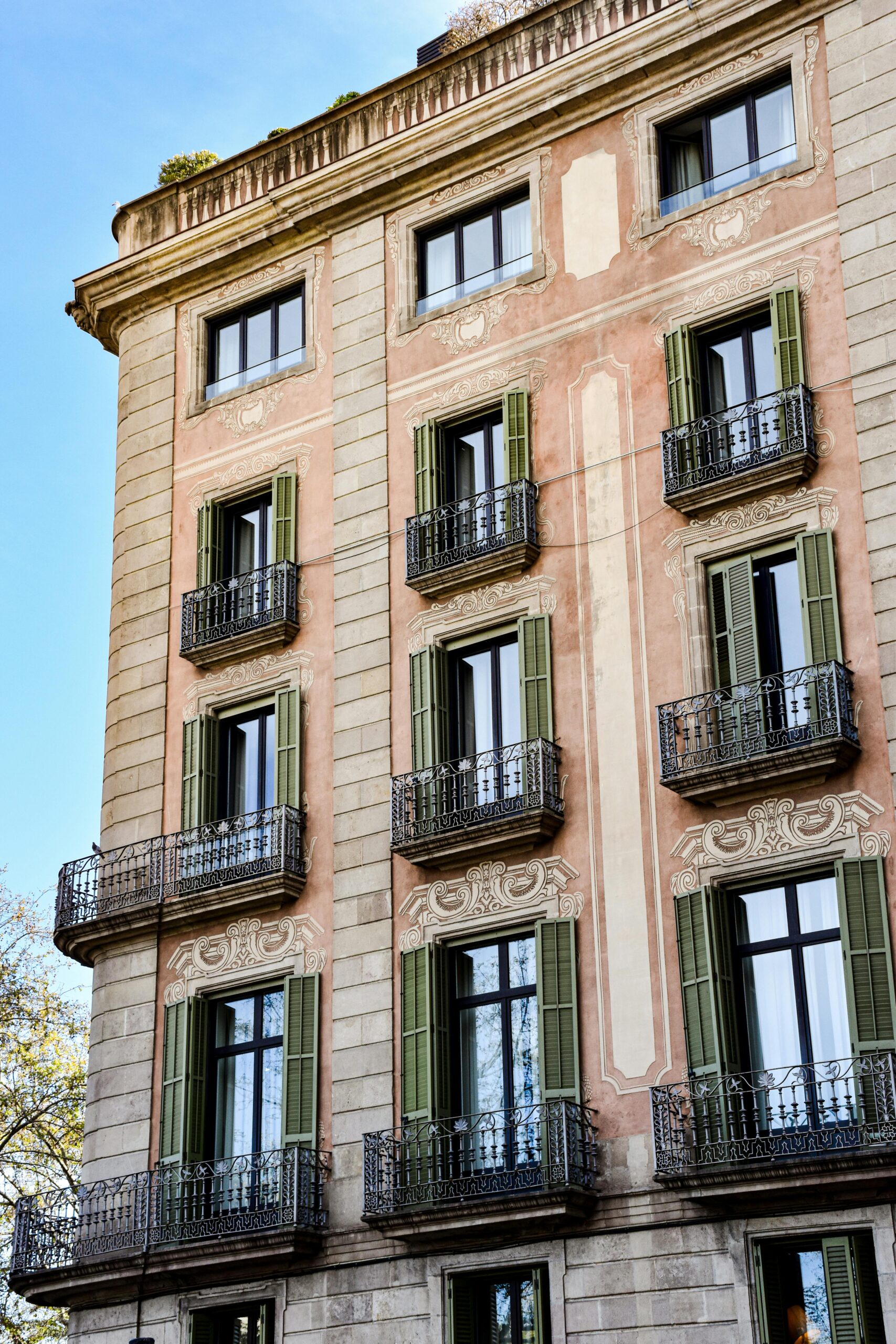
During the 19th century, when Catalan Modernism flourished, Barcelona underwent a major urban expansion. It was then that the elegant residential buildings we admire today in Eixample were constructed. Their internal layout reflected a very clear social hierarchy, arranged literally floor by floor.
At the base was the planta baja (ground floor), typically reserved for shops or the main entrance to the building. Just above it was the entresuelo, a semi-floor located between the ground and main levels. It often served as an office space, a caretaker’s flat, or a modest apartment.
The true gem of the building, however, was the piso principal — literally, “the main floor.” This was where the owner or wealthiest family lived. Principal apartments stood out for their high ceilings, grand windows, ornate balconies, and decorative details such as mosaic floors and plaster moldings. They were the most prestigious residences in the entire building, designed for both comfort and display.
Higher up lived the staff and lower-income tenants. The ático, the top-floor level just under the roof, usually contained small and simple rooms, sometimes with shared access to the terrace. It was here that maids, cooks, and building caretakers often lived — far from the elegant salons below.
Why the Wealthiest Lived Closest to the Street
Today, it might seem surprising that the richest residents preferred the lowest floors, while the poorest lived at the top. But in the 19th century, this made perfect sense. Elevators didn’t exist, and climbing several floors every day was exhausting.
Lower floors stayed cooler in summer and warmer in winter, and their proximity to the street provided easier access to daily activities. By contrast, upper floors were smaller, had lower ceilings, and were less comfortable.
Thus, the ático, now synonymous with luxury, was once associated with simplicity and modest living.
How Modern Comfort Reversed the Hierarchy
By the late 20th century, this social order had completely reversed. The arrival of elevators, better building materials, and modern design gave the upper floors new prestige. Today, ático apartments are among the most desired properties in Barcelona, prized for their natural light, privacy, and roof terraces. They now represent the pinnacle of urban luxury living.
Meanwhile, the principal floor still retains its historical charm and prestige — particularly in Modernist buildings. Its large spaces, decorative ceilings, and original tiles make it a favorite among architecture lovers and international buyers seeking authentic character.
The entresuelo has evolved too. Many have been converted into offices, studios, or stylish investment apartments, while ground floors now host boutiques, cafés, and restaurants.
This transformation keeps Barcelona’s Modernist buildings alive — blending heritage with contemporary life.
Understanding Floor Labels in Barcelona Today
For newcomers and international buyers, Barcelona’s system of floor numbering can be confusing.
Here’s how it works:
| Floor name | Meaning | Equivalent in other countries |
|---|---|---|
| Planta baja (PB) | Ground floor, street level | Ground floor |
| Entresuelo | Mezzanine between ground and main floor | Mezzanine |
| Principal | Main floor, historically the most prestigious | 1st floor |
| Piso 1, Piso 2, Piso 3… | Subsequent floors | 2nd, 3rd, etc. |
| Ático | Top floor, often with a terrace | Penthouse |
| Sobreático | Floor above the penthouse | Upper penthouse / roof level |
Understanding these terms is key when browsing property listings. A “principal” apartment isn’t on the ground floor, and an “ático” usually means the most exclusive unit in the building.
Tradition Meets Modern Living
Contemporary buildings in Barcelona preserve much of this architectural tradition but adapt it to 21st-century living standards. Developers often restore historic façades while redesigning interiors to include modern amenities such as elevators, climate control, and open-plan layouts.
In new developments, floor structures are simpler, but the word ático still denotes a penthouse with a rooftop terrace and, often, breathtaking views of the city or sea. At the same time, principal apartments remain symbols of elegance and heritage. They perfect for those seeking historic character with modern comfort.
In this way, what once divided residents by class now unites them through a shared appreciation for Barcelona’s architecture and urban lifestyle.
From Social Hierarchy to Lifestyle Choice
The evolution of floor hierarchy in Barcelona perfectly illustrates how architecture reflects society’s changing values. What was once a symbol of status and separation is now an expression of taste and individuality.
Principal, entresuelo, and ático are no longer just floor names — they are part of Barcelona’s cultural DNA. They are telling the story of a city where history and design live side by side.
Feel free to contact us — we have many more properties, and if we don’t have exactly what you need, we’ll find it for you!
Contact